BHP explores ship biofuel blend made from cooking oil, animal fat

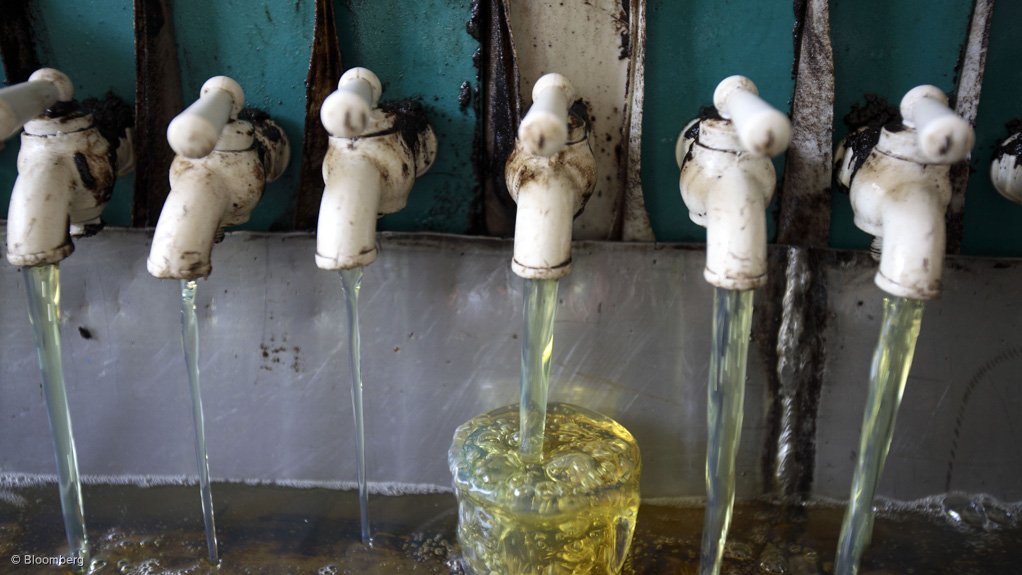


SINGAPORE - Australian iron-ore and copper miner BHP and Singapore's Global Centre for Maritime Decarbonisation (GCMD) have blended biofuel made from used cooking oil and waste animal fat to refuel a cargo ship in a pilot project, the companies said in a joint statement on Wednesday.
The need to explore novel blends comes as the shipping industry continues to look for scalable alternatives to conventional marine fuels to help cut emissions.
Used cooking oil currently dominates biofuels for ship refuelling, but owing to supply constraints, companies are looking into other waste-based feedstocks such as animal fats.
The blend was used to power a BHP-chartered bulk carrier - the Berge Lyngor, owned and operated by Berge Bulk -
transporting iron-ore from Western Australia to China.
The vessel bunkered in Singapore in early May with a full biofuel blend consisting of 50% tallow-derived biodiesel, sourced and supplied by HAMR Energy, and 50% used cooking oil, supplied by Mitsui & Company Energy Trading Singapore.
BHP and GCMD said the pilot will assess how biofuels from multiple feedstocks can be blended, handled and introduced under real-world operating conditions, using existing bunkering infrastructure applied for used cooking oil.
The project will identify solutions to challenges related to fuel quality, handling, traceability and onboard vessel performance.
It will also evaluate potential issues that may emerge from using biofuels made from different feedstocks, including corrosion from oxidation and fuel system clogging caused by wax formation.
Running on the bio-blend can reduce well-to-wake greenhouse gas emissions by about 79% for one voyage versus sailing on conventional very low sulphur fuel oil, BHP and GCMD said. Well-to-wake covers fuel production, delivery and its use onboard ships.
Article Enquiry
Email Article
Save Article
Feedback
To advertise email advertising@creamermedia.co.za or click here
Research Reports

Projects

Latest Multimedia

Latest News


Showroom

Design, Construction and Maintenance of Site Erected, Welded Bulk Storage Tanks for the Petrochemical, LNG, Ammonia and Sustainable fuel Sectors.
VISIT SHOWROOM
For over 60 years, VEGA has provided industry-leading products for the measurement of level, density, weight and pressure. As the inventor of the...
VISIT SHOWROOM


Press Office
Announcements
What's On
Subscribe to improve your user experience...
Option 1 (equivalent of R125 a month):
Receive a weekly copy of Creamer Media's Engineering News & Mining Weekly magazine
(print copy for those in South Africa and e-magazine for those outside of South Africa)
Receive daily email newsletters
Access to full search results
Access archive of magazine back copies
Access to Projects in Progress
Access to ONE Research Report of your choice in PDF format
Option 2 (equivalent of R375 a month):
All benefits from Option 1
PLUS
Access to Creamer Media's Research Channel Africa for ALL Research Reports, in PDF format, on various industrial and mining sectors
including Electricity; Water; Energy Transition; Hydrogen; Roads, Rail and Ports; Coal; Gold; Platinum; Battery Metals; etc.
Already a subscriber?
Forgotten your password?
Receive weekly copy of Creamer Media's Engineering News & Mining Weekly magazine (print copy for those in South Africa and e-magazine for those outside of South Africa)
➕
Recieve daily email newsletters
➕
Access to full search results
➕
Access archive of magazine back copies
➕
Access to Projects in Progress
➕
Access to ONE Research Report of your choice in PDF format
RESEARCH CHANNEL AFRICA
R4500 (equivalent of R375 a month)
SUBSCRIBEAll benefits from Option 1
➕
Access to Creamer Media's Research Channel Africa for ALL Research Reports on various industrial and mining sectors, in PDF format, including on:
Electricity
➕
Water
➕
Energy Transition
➕
Hydrogen
➕
Roads, Rail and Ports
➕
Coal
➕
Gold
➕
Platinum
➕
Battery Metals
➕
etc.
Receive all benefits from Option 1 or Option 2 delivered to numerous people at your company
➕
Multiple User names and Passwords for simultaneous log-ins
➕
Intranet integration access to all in your organisation